
PCOS/PCOD•9 min read
PCOS/PCOD Nutrition: Managing Hormonal Imbalance with Diet
By Dr. Smita Patel•January 1, 2024
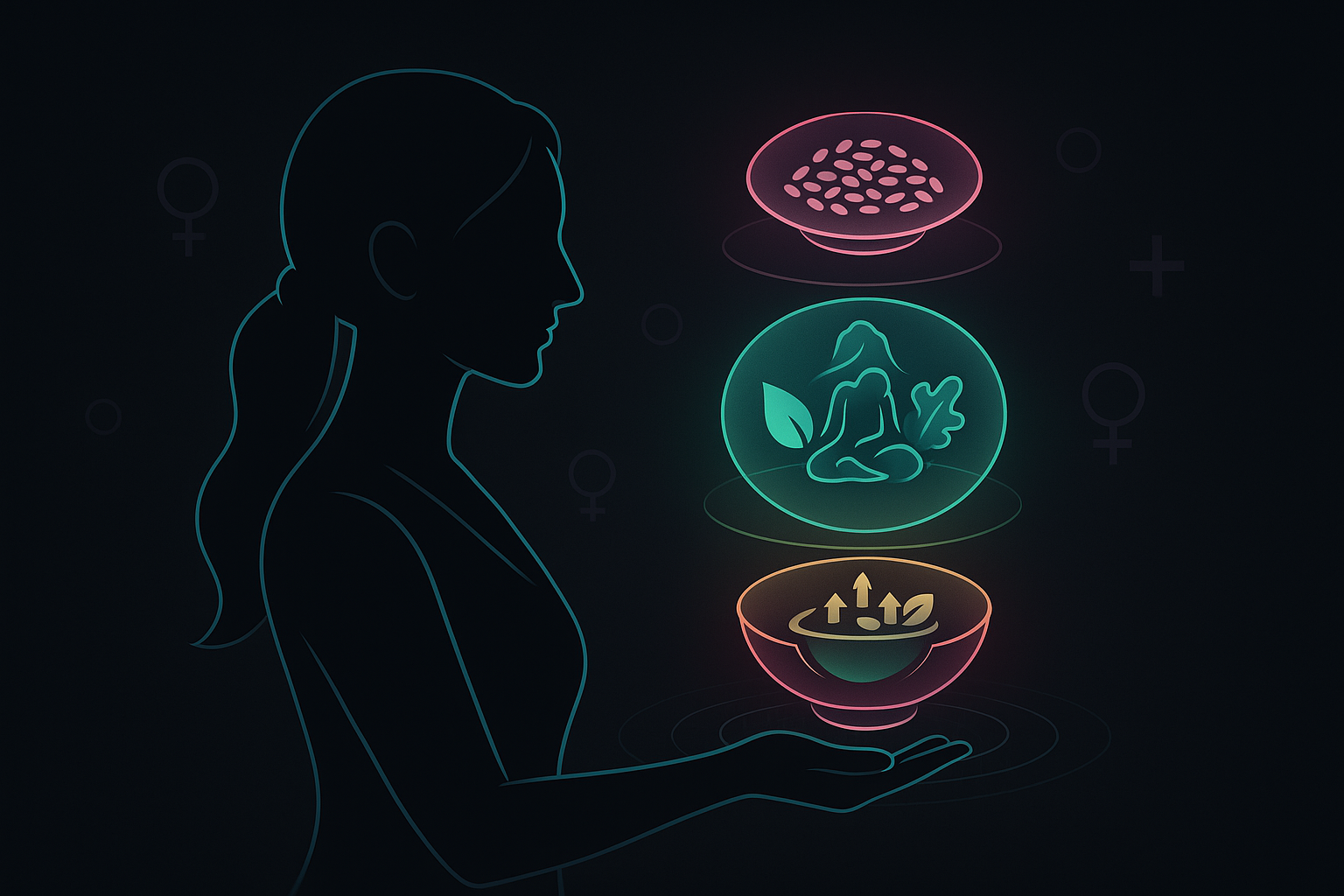
# PCOS/PCOD Nutrition: Managing Hormonal Imbalance with Diet
Polycystic Ovary Syndrome (PCOS) affects many women in India. Proper nutrition can help manage symptoms and improve quality of life.
## Understanding PCOS/PCOD
PCOS is a hormonal disorder characterized by:
- Irregular periods
- Excess androgen levels
- Polycystic ovaries
- Insulin resistance
## Key Nutritional Strategies
### Manage Insulin Resistance
- **Low glycemic foods**: Whole grains, vegetables
- **Regular meals**: Don't skip meals
- **Protein with carbs**: Helps stabilize blood sugar
- **Fiber-rich foods**: Slows sugar absorption
### Anti-Inflammatory Diet
- **Omega-3 fatty acids**: Fish, flaxseeds, walnuts
- **Antioxidants**: Colorful fruits and vegetables
- **Spices**: Turmeric, cinnamon, ginger
- **Avoid**: Processed foods, trans fats
### Hormone-Balancing Foods
- **Cruciferous vegetables**: Broccoli, cauliflower, cabbage
- **Leafy greens**: Spinach, kale, methi
- **Healthy fats**: Avocado, nuts, olive oil
- **Protein**: Lean meats, fish, legumes
## Sample Meal Plan
### Breakfast
- Oats with berries and nuts
- Or vegetable omelet with whole grain toast
### Lunch
- Quinoa salad with vegetables and protein
- Or dal with brown rice and vegetables
### Dinner
- Grilled fish with roasted vegetables
- Or paneer curry with roti
### Snacks
- Greek yogurt with fruits
- Nuts and seeds
- Vegetable smoothie
## Foods to Include
### Complex Carbohydrates
- Brown rice, quinoa, oats
- Sweet potato, pumpkin
- Whole wheat products
### Lean Proteins
- Fish, chicken, eggs
- Dal, legumes, tofu
- Greek yogurt, paneer
### Healthy Fats
- Nuts and seeds
- Olive oil, coconut oil
- Avocado
### Anti-Inflammatory Foods
- Berries, cherries
- Green leafy vegetables
- Turmeric, ginger
## Foods to Limit
- Refined carbohydrates
- Sugary foods and beverages
- Processed foods
- Excessive caffeine
- Alcohol
## Lifestyle Modifications
1. **Regular exercise**: 150 minutes per week
2. **Weight management**: Even 5-10% weight loss helps
3. **Stress management**: Yoga, meditation
4. **Adequate sleep**: 7-9 hours nightly
5. **Regular meals**: Don't skip meals
## Supplements to Consider
- **Inositol**: Helps with insulin sensitivity
- **Vitamin D**: Many women with PCOS are deficient
- **Omega-3**: Anti-inflammatory benefits
- **Magnesium**: Helps with insulin resistance
## Conclusion
Managing PCOS through nutrition requires a comprehensive approach. Focus on whole foods, manage insulin resistance, and maintain a healthy lifestyle. Consult with healthcare professionals for personalized guidance.
Tags:
pcospcodhormonesinsulin resistancefertility